Posted on 9/25/2026
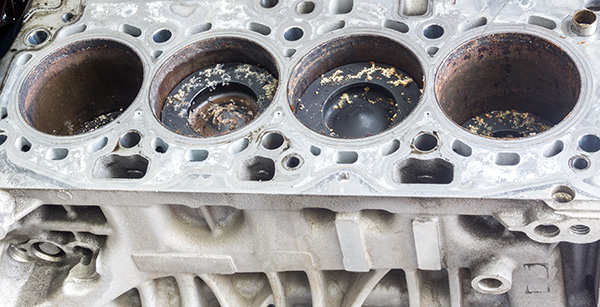
Direct injection helped European manufacturers build engines that make strong power while using less fuel, especially when paired with turbochargers. It also changed where gasoline enters the engine. Instead of spraying fuel into the intake port, the injector sends it directly into the combustion chamber. That design works well, but it removes one benefit older port-injected engines had. Fuel no longer passes across the back of the intake valves, so oily vapor and combustion residue can collect there over time. On some European engines, that buildup becomes thick enough to affect airflow and engine performance. Direct Injection Does Not Wash the Intake Valves With port fuel injection, gasoline is sprayed upstream of the intake valve. Each time the engine runs, that fuel helps rinse away some of the oily film and deposits forming on the valve. A direct-injection injector sits farther downstream and sprays into the cylinder after the intake air has already passed the ... read more
Posted on 8/28/2026
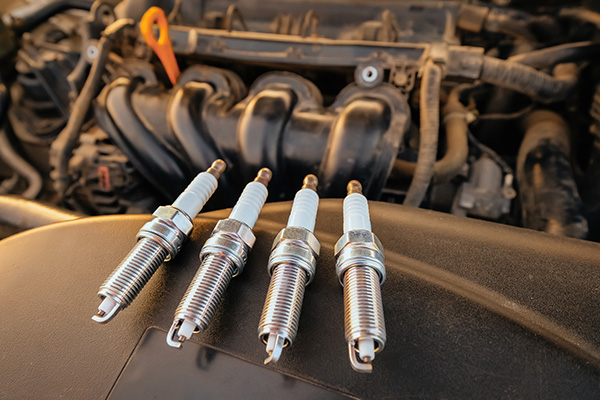
Spark plugs are small parts, but they have a direct effect on how well a gasoline engine starts, idles, accelerates, and burns fuel. Every time the engine runs, each plug has to create a strong spark inside the combustion chamber under heat and pressure. There is no single replacement interval for every vehicle. Some spark plugs may be due around 30,000 miles, while long-life platinum or iridium plugs can often remain in service much longer. The correct interval depends on the engine design, plug type, manufacturer schedule, and how the vehicle is used. Start With the Factory Maintenance Schedule The owner’s manual should be the first reference when deciding when to replace spark plugs. Manufacturers choose a specific plug design and replacement interval based on combustion pressure, ignition system output, engine temperature, emissions requirements, and expected service life. A naturally aspirated engine using long-life iridium plugs may have a much longer i ... read more
Posted on 7/31/2026

A BMW valve cover gasket leak can begin without leaving a puddle under the car. The first clue may be a burning oil smell after driving, a little smoke near the engine bay, or oil collecting around the top of the engine. Since the vehicle may still run normally, many drivers continue using it until the leak becomes harder to ignore. The gasket sits in a hot part of the engine and seals oil inside the valve cover. Years of heat cycles can harden the rubber, while plastic valve covers can warp or crack. Knowing what to look for can help you address the leak before it affects ignition parts, belts, hoses, or the exhaust. A Burning Oil Smell Is A Common First Sign Oil leaking from the valve cover can run down the side of the engine and reach hot exhaust shields or other heated surfaces. Once the engine warms up, the oil begins to burn, creating a sharp smell that may enter the cabin through the ventilation system. The odor is often strongest after parking because heat r ... read more
Posted on 6/26/2026

An Audi SUV should feel controlled, confident, and refined. Even with the extra weight of a larger body, it should not feel clumsy, loud, or slow to respond. When the vehicle starts feeling heavier than before, something is usually changing in the tires, suspension, drivetrain, brakes, or engine performance. The shift can happen gradually. You may notice more road noise, slower acceleration, a rougher ride, or steering that takes more effort. These changes do not always point to one obvious failure. They are clues that the vehicle needs a closer look before wear spreads into more expensive systems. Audi SUV Tire Wear And Road Noise Tires have a major effect on how an Audi SUV feels. Uneven tread, low tire pressure, old rubber, mismatched tires, or poor tire balance can make the vehicle feel louder and less responsive. A cupped or feathered tire can create a humming noise that worsens with speed. Audi SUVs with Quattro can also be sensitive to differences in tire si ... read more
Posted on 5/29/2026

BMWs are good at feeling fine right up until they are not. The steering still feels tight, the cabin stays quiet, and the engine pulls cleanly, even while a small leak, worn bushing, or weak cooling part is starting to work against you. That is why routine BMW service is more than an oil change and a reset light. A good service visit looks for patterns before they become expensive repairs. Small oil seepage. Coolant residue. Tire wear on one edge. A battery that is getting weak. Those little clues tell a story if someone is paying attention. 1. Oil Leaks Around Gaskets And Housings Oil leaks are one of the most common BMW repairs, especially as gaskets and seals age. Valve cover gaskets, oil filter housing gaskets, oil pan gaskets, and front engine seals can all start as light seepage before they become a steady drip. The first sign is not always a spot under the car. Sometimes it is a burnt-oil smell after a drive or oily grime collecting around the front or side ... read more
Posted on 4/30/2026

There is a big difference between driving around town and loading up for a road trip. A car that seems perfectly fine during your daily routine can reveal problems fast once it is dealing with highway speeds, extra weight, hot weather, long hours of driving, and unfamiliar roads. That is why we always recommend giving your vehicle a solid check before you head out. At our shop, we see it all the time. Someone is getting ready for a weekend getaway, a family vacation, or a visit out of town and figures the car is probably good to go because it has been “driving okay.” Then halfway through the trip, a tire issue shows up, the battery acts weak, the brakes start making noise, or the A/C cannot keep up. None of that makes for a fun travel day. The good news is that most road-trip problems give you a chance to catch them ahead of time. A little preparation can save you from delays, stress, and surprise repair bills when you are far from home. If you are getting ready to hit th ... read more
Posted on 3/27/2026

Those DIY A/C cans look like the perfect shortcut. A little refrigerant, a cheap gauge, and you’re back to cold air in the driveway. The problem is that the A/C system is picky, and small mistakes can turn a mild cooling complaint into a bigger repair. If you’re tempted to do it yourself, it helps to know what those kits can’t show you. What DIY A/C Kits Promise And What They Miss Most DIY kits promise one thing: colder air fast. They make it seem like low refrigerant is the only reason A/C gets weak. Sometimes that’s true, but not nearly as often as people think, and a can doesn’t tell you why the system got low. A car A/C system is sealed, so refrigerant doesn’t get used up. If it’s low, it leaked out somewhere, and the leak is the real problem. Recharging without finding the leak is usually a temporary relief at best. Why Adding Refrigerant Without Measuring Can Make Cooling Worse DIY gauges are often ... read more
Posted on 2/26/2026

Your vehicle’s instrument cluster is one of the most important communication tools on your dashboard. It displays essential information, including speed, fuel level, engine temperature, warning lights, and system alerts. When the instrument cluster display doesn’t come on, it can be frustrating—and potentially dangerous—because you’re left without critical driving information. If your dashboard suddenly goes dark or the display works intermittently, there are several possible causes. Understanding why this happens can help you determine the next steps and avoid more serious electrical issues. What Is the Instrument Cluster and Why Is It Important? The instrument cluster is the panel behind your steering wheel that houses gauges and warning indicators. In modern vehicles, it often includes digital screens, backlighting, and computer-controlled components that communicate with multiple onboard systems. Without a functioning instrument cluster, you may no ... read more
Posted on 1/30/2026

Stop-and-go traffic has a special talent for making time feel slower than it is. You are not exactly driving, not exactly resting, and your brain keeps bouncing between watching brake lights, checking the clock, and fighting the urge to get impatient. If you have ever arrived at your destination feeling weirdly drained, even though you barely went anywhere, that is the effect. The good news is you can train a calmer rhythm in traffic without zoning out, and it starts with a few practical habits that keep your mind steady and your reactions sharp. Why Stop And Go Traffic Steals Your Focus Your attention gets taxed because stop-and-go driving is constant, low level decision making. You are always judging gaps, anticipating lane changes, and reacting to sudden braking, but there is no satisfying flow to settle into. That on-off pattern increases stress even when nothing dramatic is happening. It also encourages mental shortcuts. You stare at the same bumper for minute ... read more
Posted on 12/19/2025

You are creeping through a parking lot or slowing for a neighborhood stop sign and you hear it, that sharp squeal from the brakes. On many BMW models, low-speed brake noise is a pretty common complaint. Some light, occasional noise can be normal with performance-oriented brake parts, but a loud or constant squeal usually points to something that needs attention. The good news is that the cause is often straightforward once someone looks closely at the pads, rotors, and hardware. What That Low-Speed BMW Brake Squeal Really Is Most brake squeal is vibration. The brake pad is pressed against the rotor, and instead of sliding smoothly, it vibrates at a high frequency that you hear as a squeak or squeal. BMWs often use more aggressive pad materials that grip well but can be a little noisier, especially at low speeds where there is less airflow and less overall noise around the car. At slow speeds, small imperfections in the rotor surface or slight glazing on the pad can ... read more