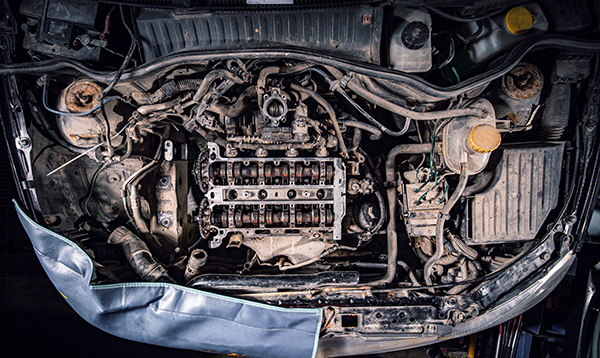
A BMW valve cover gasket leak can begin without leaving a puddle under the car. The first clue may be a burning oil smell after driving, a little smoke near the engine bay, or oil collecting around the top of the engine. Since the vehicle may still run normally, many drivers continue using it until the leak becomes harder to ignore.
The gasket sits in a hot part of the engine and seals oil inside the valve cover. Years of heat cycles can harden the rubber, while plastic valve covers can warp or crack. Knowing what to look for can help you address the leak before it affects ignition parts, belts, hoses, or the exhaust.
A Burning Oil Smell Is A Common First Sign
Oil leaking from the valve cover can run down the side of the engine and reach hot exhaust shields or other heated surfaces. Once the engine warms up, the oil begins to burn, creating a sharp smell that may enter the cabin through the ventilation system. The odor is often strongest after parking because heat remains trapped under the hood.
You may not see smoke every time the smell appears. A very small amount of oil can create a noticeable odor without producing a visible cloud. If the smell returns after most drives, especially near the front of the vehicle, the engine should be inspected for fresh oil around the valve cover and nearby components.
Smoke From Under The Hood Can Appear After Driving
Light smoke rising from the engine bay is another warning. It may appear at a stoplight, after a longer drive, or shortly after the engine is shut off. The smoke can come from oil dripping onto an exhaust manifold or heat shield and burning away.
Visible smoke does not automatically mean the engine is severely damaged, but it should not be ignored. Oil near hot exhaust parts creates a fire risk in rare cases and can spread across surrounding surfaces. The source should be confirmed before more oil reaches belts, wiring, rubber hoses, or other parts that can be damaged by contamination.
Oil Around The Top Of The Engine Is A Strong Clue
A leaking valve cover gasket commonly leaves oil along the edge where the cover meets the cylinder head. The leak may begin as a damp film and gradually turn into a heavier deposit that collects dust and dirt. Depending on the BMW engine, oil may appear at the front, rear, or side of the cover.
Oil can travel once the vehicle is moving, so the wettest area is not always the exact starting point. Other BMW oil leaks, including the oil filter housing gasket or vacuum pump seal on some models, can spread into nearby areas. Cleaning the engine and tracing fresh oil helps prevent the wrong gasket from being blamed.
Oil In The Spark Plug Wells Can Cause Misfires
The valve cover gasket may include seals around the spark plug tubes. When those seals fail, oil can collect around the ignition coils and spark plugs. The engine may begin to hesitate, shake, idle roughly, or turn on the check engine light.
Oil contamination can damage coil boots and interfere with the ignition system. Replacing only the spark plugs or coils will not resolve the problem if the gasket continues to leak into the wells. The oil source needs repair, and contaminated ignition parts should be inspected before the vehicle is returned to service.
Your BMW May Start Losing Oil Between Services
A slow valve cover gasket leak may not create a large puddle, but the engine oil level can still drop over time. Drivers may notice the electronic oil level reading indicating a top-off sooner than expected, or see traces of oil under the engine after parking.
BMW engines can lose oil from several areas, so topping it off does not identify the source. The engine should be checked for leaks around the valve cover, oil filter housing, oil pan, turbo oil lines on equipped models, and other known sealing points. Keeping the level correct protects the engine, but it is not a permanent solution to an active leak.
The Valve Cover Itself May Be Part Of The Problem
Many BMW engines use a plastic or composite valve cover. Constant exposure to heat can make the cover brittle, distort the sealing surface, or create cracks that allow oil and crankcase vapors to escape. Installing a new gasket on a damaged cover may lead to another leak soon afterward.
Some valve covers also contain parts of the crankcase ventilation system. A failed diaphragm or pressure-control component can cause whistling, rough idle, excessive vacuum, oil consumption, or leaks. A complete inspection should include the cover, gasket, ventilation system, and sealing surfaces rather than assuming the rubber gasket is the only failed part.
Crankcase Pressure Can Push Oil Past The Seal
The crankcase ventilation system controls pressure created inside the engine. If the system becomes restricted or fails, pressure can build and force oil past weak gaskets and seals. A valve cover leak may be the most visible symptom even though another part helped create it.
Checking crankcase pressure can be especially useful when a new gasket fails early, or several oil leaks appear at once. Whistling noises, suction at the oil cap, rough idle, and unexplained oil use can support this direction. Repairing the pressure problem helps protect the replacement gasket and other engine seals.
Why Delaying The Repair Can Cost More
A small leak can spread oil across ignition coils, wiring, hoses, belts, engine mounts, and exhaust parts. Rubber can soften, electrical connectors can become contaminated, and the burning smell may grow much stronger. Oil reaching a belt is particularly concerning because the belt can slip, swell, or deteriorate.
Regular maintenance and inspection can catch seepage before it becomes a leak. Early repair also makes it easier to identify the source because fresh oil has not yet spread across the entire engine. Waiting until misfires or heavy smoke appear can add ignition and cleanup work to the original gasket repair.
Get BMW Valve Cover Gasket Repair In Virginia Beach, VA, With European Autowerks
If your BMW smells like burning oil, smokes after driving, loses oil, or has oil around the spark plugs, European Autowerks in Virginia Beach, VA, can inspect the valve cover gasket, valve cover, crankcase ventilation system, and nearby sealing points.
Contact us to schedule an appointment before a small oil leak affects additional engine components.