Posted on 9/25/2026
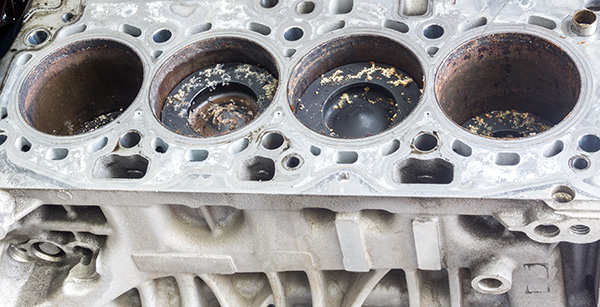
Direct injection helped European manufacturers build engines that make strong power while using less fuel, especially when paired with turbochargers. It also changed where gasoline enters the engine. Instead of spraying fuel into the intake port, the injector sends it directly into the combustion chamber. That design works well, but it removes one benefit older port-injected engines had. Fuel no longer passes across the back of the intake valves, so oily vapor and combustion residue can collect there over time. On some European engines, that buildup becomes thick enough to affect airflow and engine performance. Direct Injection Does Not Wash the Intake Valves With port fuel injection, gasoline is sprayed upstream of the intake valve. Each time the engine runs, that fuel helps rinse away some of the oily film and deposits forming on the valve. A direct-injection injector sits farther downstream and sprays into the cylinder after the intake air has already passed the ... read more