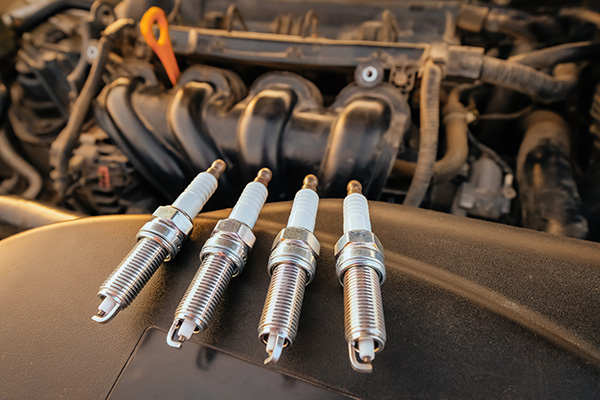
Spark plugs are small parts, but they have a direct effect on how well a gasoline engine starts, idles, accelerates, and burns fuel. Every time the engine runs, each plug has to create a strong spark inside the combustion chamber under heat and pressure.
There is no single replacement interval for every vehicle. Some spark plugs may be due around 30,000 miles, while long-life platinum or iridium plugs can often remain in service much longer. The correct interval depends on the engine design, plug type, manufacturer schedule, and how the vehicle is used.
Start With the Factory Maintenance Schedule
The owner’s manual should be the first reference when deciding when to replace spark plugs. Manufacturers choose a specific plug design and replacement interval based on combustion pressure, ignition system output, engine temperature, emissions requirements, and expected service life.
A naturally aspirated engine using long-life iridium plugs may have a much longer interval than a turbocharged engine operating under higher cylinder pressure. Replacing plugs too early usually adds unnecessary cost, while leaving them in far beyond the recommended interval can create harder starting, misfires, and extra strain on ignition coils.
Different Spark Plug Types Last Different Amounts of Time
Traditional copper-core spark plugs generally have a shorter service life because the electrode wears faster. Platinum and iridium plugs use harder materials that resist erosion and allow the electrode to remain effective for many more miles.
Common plug types include:
- Copper or nickel plugs
- Single-platinum plugs
- Double-platinum plugs
- Iridium plugs
- Fine-wire precious-metal plugs
The longest-lasting option is not automatically the correct one. The engine should use the plug type, heat range, reach, resistance, and design specified for that application.
Why Spark Plugs Wear Out
Every spark creates a tiny amount of erosion at the electrodes. Over thousands of miles, that wear increases the gap the spark has to jump. The ignition coil then has to produce more voltage to fire the plug reliably.
Heat also affects the plug. Combustion deposits can collect around the electrode, while oil or fuel contamination may foul the firing tip. A plug can therefore become difficult to fire even before the electrode is completely worn out.
Worn Plugs Can Put Extra Stress on Ignition Coils
Ignition coils generate the high voltage needed to jump the spark plug gap. As the gap grows from wear, the coil has to work harder to create a spark.
That additional demand can contribute to coil failure over time, especially on engines where the coils already operate in a hot environment. Replacing spark plugs at the correct interval can help prevent the ignition system from being pushed harder than necessary.
Signs Your Spark Plugs May Be Due
Spark plug wear often develops gradually, so the vehicle may not feel dramatically different at first. Drivers sometimes become used to a slightly rougher idle or slower response without realizing the plugs are overdue.
Possible signs include:
- Longer cranking before startup
- Rough or uneven idling
- Hesitation during acceleration
- Reduced fuel economy
- Misfires under load
- A check engine light
- Weak performance on hills
These symptoms do not prove the spark plugs are responsible. Fuel delivery problems, ignition coil faults, vacuum leaks, injector trouble, compression loss, or sensor concerns can create similar behavior.
Turbocharged Engines Can Be More Demanding
Turbocharged engines create higher cylinder pressure when boost increases. That makes it more difficult for the spark to jump the plug gap, especially when the plug is worn.
A plug that behaves normally during light driving may begin misfiring only during hard acceleration or uphill driving. This is why some turbocharged engines use shorter replacement intervals even when they use high-quality iridium plugs.
The correct gap is also especially important. Installing plugs with the wrong gap can create misfires under boost, while attempting to regap certain fine-wire plugs carelessly can damage the center electrode.
What Spark Plug Condition Can Tell a Technician
Removed spark plugs can provide useful clues about what is happening inside the engine. A normal plug often has light tan or gray deposits, while unusual contamination can point toward another problem that deserves attention.
Oil on the firing end may suggest oil entering the combustion chamber. Heavy black soot can indicate rich operation or repeated misfiring. A wet fuel smell may appear when the cylinder is not burning properly. One plug that looks very different from the others can help narrow the issue to a particular cylinder.
Spark Plugs Should Not Be Replaced Just Because of a Misfire Code
A misfire code tells technicians which cylinder is having trouble, but it does not automatically mean the spark plug has failed. The cause could be an ignition coil, injector, wiring problem, vacuum leak, mechanical engine issue, or another fault.
Diagnostic testing may involve moving coils between cylinders, checking plug condition, reviewing fuel trim, testing injector operation, or measuring compression. Replacing all the plugs without identifying the source can leave the original problem unchanged.
Installation Matters More Than It Looks
Spark plugs thread directly into the cylinder head, often aluminum, so proper installation is important. Cross-threading or overtightening can damage the threads and turn a routine service into a much larger repair.
The plugs should be installed with the correct torque and without unnecessary products on the threads unless the manufacturer specifically calls for them. Modern plugs often have coatings designed for installation as supplied.
Technicians may also inspect the ignition coil boots and spark plug wells during the service. Oil or coolant in the plug wells can damage boots and create misfires, so the source of any fluid should be corrected before new plugs are installed.
Do Not Ignore the Time Interval
Mileage gets most of the attention, but time can also be important. A vehicle that travels only a few thousand miles per year may still experience corrosion, deposits, and aging of surrounding ignition components.
Regular maintenance records make it easier to know when the plugs were last replaced and which parts were used. If the history is unknown, a technician can compare current mileage with the factory schedule and inspect the ignition system before recommending service.
Get Spark Plug Service in Virginia Beach, VA, With European Autowerks
European Autowerks in Virginia Beach, VA, can review your vehicle’s spark plug interval, inspect ignition components, and test misfire or performance concerns.
Contact us to schedule spark plug service if your vehicle is approaching its replacement interval or has started running rough, hesitating, or using more fuel.