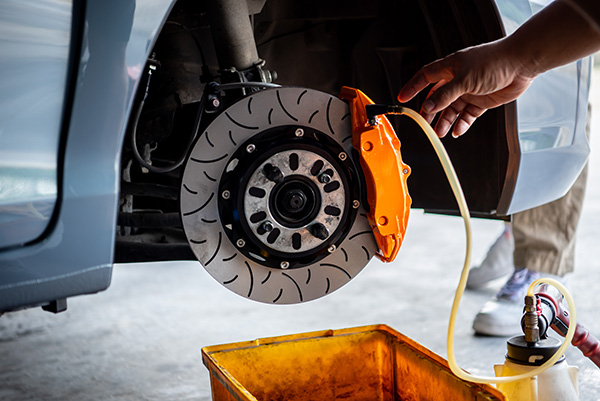
You are creeping through a parking lot or slowing for a neighborhood stop sign and you hear it, that sharp squeal from the brakes. On many BMW models, low-speed brake noise is a pretty common complaint. Some light, occasional noise can be normal with performance-oriented brake parts, but a loud or constant squeal usually points to something that needs attention.
The good news is that the cause is often straightforward once someone looks closely at the pads, rotors, and hardware.
What That Low-Speed BMW Brake Squeal Really Is
Most brake squeal is vibration. The brake pad is pressed against the rotor, and instead of sliding smoothly, it vibrates at a high frequency that you hear as a squeak or squeal. BMWs often use more aggressive pad materials that grip well but can be a little noisier, especially at low speeds where there is less airflow and less overall noise around the car.
At slow speeds, small imperfections in the rotor surface or slight glazing on the pad can set up that high-pitched sound. Humidity, temperature, and even a light layer of rust that forms overnight can change how the pad and rotor interact. That is why the noise may be worse first thing in the morning, then seem to quiet down once you have driven a bit.
Common Causes of Brake Squeal at Parking-Lot Speeds
There are several issues that tend to show up repeatedly when we chase a low-speed brake squeal. A few of the most common include:
- Glazed pads, which have a hardened, shiny surface from heat and can slide and squeal instead of biting cleanly
- Rotor surface issues, such as light grooves, rust buildup on the edges, or uneven wear that creates small ridges
- Dry or worn hardware, including shims and slides that are supposed to control vibration and allow pads to move freely
- Cheap or incorrect pads that were installed at some point and do not match the BMW braking system very well
Any one of these can cause noise on its own, and they often show up together. That is why a proper inspection looks at the whole brake assembly instead of guessing at just one part.
When BMW Brake Noise Is Normal and When It Is Not
A light squeak during the first few stops on a damp morning can be normal, especially if the car sat overnight and a light film of rust formed on the rotor faces. As the pads clean the surface, the sound often fades quickly. Occasional light noise when you brake lightly at low speeds may also come with certain pad compounds, especially if you are using performance pads.
Continuous squealing every time you slow down, especially when the brakes are warmed up, is not something to ignore. If the noise is joined by grinding, vibration in the pedal, a soft or low pedal feel, or a warning light, that raises the urgency. At that point, the brakes may be worn or damaged, and the car may not be able to stop as consistently as it should.
What You May Notice First Behind the Wheel
Most drivers notice the sound long before they notice any change in braking performance. It often starts as a faint squeal at the last few feet of a stop, or when easing off the brake while creeping in traffic. Over time, it may become louder, or you may start to feel a faint flutter or vibration in the pedal.
You might also spot other clues if you take a quick look through the wheel spokes. The rotor surface may look streaked, heavily grooved, or bluish from heat. The pads themselves may look thin. If you see a line of rust around the outer edge of the rotor where the pad is no longer making full contact, that can also point toward uneven wear and potential noise.
Owner Mistakes That Can Make Brake Squeal Worse
A few common habits can make squealing brakes more likely or more noticeable. Riding the brakes on long hills or in heavy traffic can build heat and contribute to pad glazing. Spraying harsh wheel cleaners directly onto the brakes can wash away lubrication from slides and contact points or leave residue on the pad surface.
Another mistake is choosing the cheapest possible pads when it is time for a brake job. Low-quality pad material can be noisy from day one and may wear out faster, which means you end up paying more in the long run. Waiting too long after the first signs of noise can also turn a simple pad service into a job that needs rotors and hardware as well. Catching things early usually keeps costs more reasonable.
How Technicians Diagnose BMW Brake Squeal
When we inspect a BMW for brake squeal, the process starts with a road test to reproduce the noise and feel how the car stops. Then the wheels come off so the pads, rotors, and hardware can be checked up close. Pad thickness, wear patterns, and glazing are all noted, and the rotor surfaces are examined for runout, grooves, rust ridges, or heat spots.
From there, the technician decides whether a thorough cleaning and lubrication of the hardware is enough, or whether pads and rotors need to be replaced. Sometimes, a high-quality pad set and fresh hardware, installed with the correct shims and lubricants, can make a big difference in noise. A proper brake service also includes cleaning mating surfaces, checking caliper movement, and making sure the brakes are bedded in correctly so they stay quieter over time.
Get BMW Brake Service in Virginia Beach, VA with European Autowerks
We can inspect your BMW’s brakes, track down the source of that low-speed squeal, and recommend the right repair to get things quiet again. Whether you need a simple clean and adjust or a full pad and rotor service, we take the time to explain what we find and why it matters for your stopping power.
We are here to help your BMW feel smooth, confident, and quiet when you step on the pedal, so schedule your BMW brake service with European Autowerks in Virginia Beach, VA.