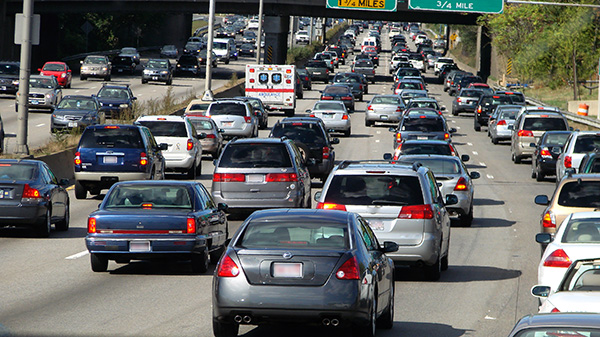
Stop-and-go traffic has a special talent for making time feel slower than it is. You are not exactly driving, not exactly resting, and your brain keeps bouncing between watching brake lights, checking the clock, and fighting the urge to get impatient. If you have ever arrived at your destination feeling weirdly drained, even though you barely went anywhere, that is the effect.
The good news is you can train a calmer rhythm in traffic without zoning out, and it starts with a few practical habits that keep your mind steady and your reactions sharp.
Why Stop And Go Traffic Steals Your Focus
Your attention gets taxed because stop-and-go driving is constant, low level decision making. You are always judging gaps, anticipating lane changes, and reacting to sudden braking, but there is no satisfying flow to settle into. That on-off pattern increases stress even when nothing dramatic is happening.
It also encourages mental shortcuts. You stare at the same bumper for minutes and start daydreaming, then suddenly you have to react quickly. Staying calm is not about being passive, it is about keeping your brain engaged in a controlled way so you are ready when something changes.
Set Up Your Car For Calm Before You Roll
A surprising amount of traffic stress comes from small discomforts that pile up. If your seat is too far back, your shoulders tense. If your mirrors are off, you keep second-guessing blind spots. If the cabin is too hot or too cold, your patience drops faster than you would expect.
Before you even creep forward, do a quick reset: sit upright with relaxed shoulders, adjust mirrors so you do not have to lean, and set the cabin temp to a comfortable middle. If your windshield is hazy or the sun is low, fix visibility early, because straining to see is one of the fastest ways to lose focus. We have seen how much smoother traffic feels for drivers once the cabin setup stops fighting them.
Use Spacing And Timing To Create A Smoother Rhythm
The biggest calm-maker in stop-and-go traffic is space. Not huge gaps that invite cut-ins, just enough room that you can move gently instead of reacting to every brake tap. When you leave a little buffer, you can roll forward slowly while others are still stop-starting, and that reduces the emotional whiplash.
Try to watch three or four cars ahead, not just the one in front of you. Brake lights farther up the line give you an earlier warning, which means you can lift off the gas sooner and brake less. It feels small, but it changes the whole vibe. Your driving becomes more like a steady glide than a series of mini emergencies.
Micro-Habits That Keep You Calm And Locked In
These are the habits that help you stay relaxed without drifting into autopilot. Pick a few and make them your default.
- Breathe out longer than you breathe in when traffic stalls. It helps your body de-escalate without you forcing it.
- Rest your hands lightly on the wheel. Death-grip steering makes your brain think something is wrong.
- Keep your eyes moving, mirrors, far-ahead brake lights, side lanes, then back to your lane.
- Use a simple scan pattern at each stop, mirror, speed, space, then settle.
- Avoid phone checks at red lights, it fractures attention and makes you jumpy when traffic moves again.
- Give yourself a one-lane rule, stay put unless a lane change clearly saves time or improves safety.
Driver Habits That Spike Stress And Cause Mistakes
Stop-and-go traffic tempts people into behaviors that feel productive but usually backfire. They raise stress, increase risk, and often do not save any time.
- Lane-hopping without a clear reason keeps your mind in a constant competitive mode.
- Tailgating to block cut-ins removes your buffer and makes every stop feel urgent.
- Accelerating hard just to brake hard again, it heats brakes, wastes fuel, and spikes adrenaline.
- Staring at the bumper ahead, it narrows your awareness and makes you miss signals farther up.
- Arguing with the traffic in your head, your body reacts as if you are in a real conflict.
If you catch yourself doing any of these, treat it like a gentle nudge, not a scolding. Reset your spacing, widen your gaze, and go back to smooth inputs.
When Traffic Stress Is Really A Vehicle Issue
Sometimes it is not only your mindset. A car that feels rough in traffic can push you toward stress without you realizing why. If the engine idles unevenly, the A/C cuts in harshly, or the car shudders on takeoff, your brain stays on alert because the vehicle feels unpredictable.
Stop-and-go also magnifies certain mechanical issues. Weak cooling performance can show up at long idle, worn brakes can feel grabby, and tired motor mounts can make creeping forward feel jerky. If you notice the car feels hotter than usual, the brake pedal feels inconsistent, or the steering feels heavy during low-speed maneuvering, it is worth getting it checked. We would rather catch a small drivability issue early than have it turn every commute into a tense experience.
Get Stop And Go Driving Support in Virginia Beach, VA, with European Autowerks
We can inspect the systems that make traffic driving feel smooth, like cooling performance, brake feel, idle quality, and low-speed drivability, so your car is not adding stress to your day. We’ll walk you through what we find and what would actually improve the way your vehicle behaves in slow traffic.
Call European Autowerks in Virginia Beach, VA, to schedule a check-up and make your daily drive feel calmer and more controlled.